Water Damage Restoration Seffner, FL
Local restoration crews remove escaped water, uncover wet building materials and manage a measured dry-out. Emergency dispatch helps households start recovery from plumbing failures, rain entry and sewage backups, 24/7.
(888) 621-2041Water spreading? Discuss it now Water removal and measured drying
What to do while the water is still moving
A puddle can hide an electrical hazard or carry contamination. A safe shutoff and a clear description of the source help the response team choose the next action.
- Keep access safe
Keep people outside wet rooms with electrical equipment, loose ceilings or sewage. A dry route matters more than recovering belongings.
- Stop a reachable source
Close the appliance valve or water main only from a safe, dry position. A plumber addresses the failed pipe or fitting.
- Record the first signs
Photograph the source and wet finishes from a safe position. Note when the problem appeared and whether water continues arriving.
- Describe the spread
Tell dispatch which rooms are wet, whether water reached a lower surface and whether anyone faces a mobility or access problem.
Water Damage Restoration Services in Seffner, FL
The water source determines the cleanup method. The restoration team separates a leaking supply from contaminated floodwater and checks the materials each loss reaches before setting equipment.
 01Water Extraction & RemovalStanding water needs removal before damp finishes can recover. Pumps and extraction tools address puddles, carpet and trapped floor water.Water Extraction & Removal
 02Slab Leak Water DamageA damp floor can begin beneath its finish. Moisture mapping follows a concealed plumbing escape and supports selective access after source testing.Slab Leak Water Damage
 03Storm Flood CleanupOutdoor water brings soil and contamination inside. Cleanup separates affected contents, removes unsalvageable porous material and prepares the structure for drying.Storm Flood Cleanup
 04Burst Pipe CleanupA broken pressurized pipe can wet several rooms quickly. Source isolation, extraction and wall-base checks keep the cleanup scope tied to the actual spread.Burst Pipe Cleanup
 05Appliance Leak CleanupDishwashers and laundry equipment can send water beneath cabinets. The response starts with identifying a supply escape or contaminated discharge.Appliance Leak Cleanup
 06Water Heater Leak CleanupA leaking tank can soak adjoining walls before the puddle becomes obvious. The crew checks the installation space and the rooms beside it.Water Heater Leak Cleanup
 07AC Condensate Leak DamageAn overflowing condensate pan can wet insulation and ceilings. AC repairs stop the source while restoration work addresses the building materials below.AC Condensate Leak Damage
 08Ceiling Leak Water DamageSagging drywall requires a safe exclusion area. A careful investigation follows the stain upward and checks nearby lighting before any opening.Ceiling Leak Water Damage
 09Roof Leak Water DamageRain entry can travel along attic framing. Roof repairs and interior drying address different parts of the same loss, with moisture checks connecting them.Roof Leak Water Damage
 10Structural Drying & DehumidificationDry surfaces can conceal wet assemblies. Dehumidifiers, controlled airflow and repeat measurements bring the drying plan beyond the visible water.Structural Drying & Dehumidification
 11Sewage Backup CleanupA backed-up drain requires isolation and protective equipment. Category 3 cleanup removes contaminated porous finishes and cleans accessible durable surfaces.Sewage Backup Cleanup
 12Commercial Water DamageWet business premises need safe work zones and a contents plan. The mitigation scope tracks affected rooms, equipment access and building-material recovery.Commercial Water Damage
Water damage dried to the IICRC S500 standard
The drying crew starts with the source, the water category and the affected assemblies. Equipment placement follows those findings, while daily measurements show whether the plan needs adjustment.
- 1
Find the full footprint
The assessor checks wet rooms and adjoining spaces, records material readings and marks a dry comparison area before setting the drying goal.
- 2
Remove bulk water
The extraction crew removes standing water and recoverable carpet moisture, then separates contents and finishes that obstruct safe access to wet materials.
- 3
Control the drying air
The drying team positions air movers and dehumidifiers around the affected assemblies, with containment and controlled access where contaminated water changes the work.
- 4
Check the finish
The technician compares repeat readings with the starting map and dry reference, records remaining wet spots and releases equipment when the materials meet the goal.
Equipment follows the loss
- Extraction tools remove water before evaporation begins.
- Moisture meters locate and track wet building materials.
- Thermal imaging helps direct closer inspection of concealed areas.
- LGR dehumidifiers remove moisture from the drying air.
- Air movers support evaporation across accessible wet surfaces.
Readings set the endpoint. A contained clean-water loss often needs several days of controlled drying. Dense flooring, concealed layers and continuing water entry extend the work; the crew follows material measurements rather than a preset collection date.
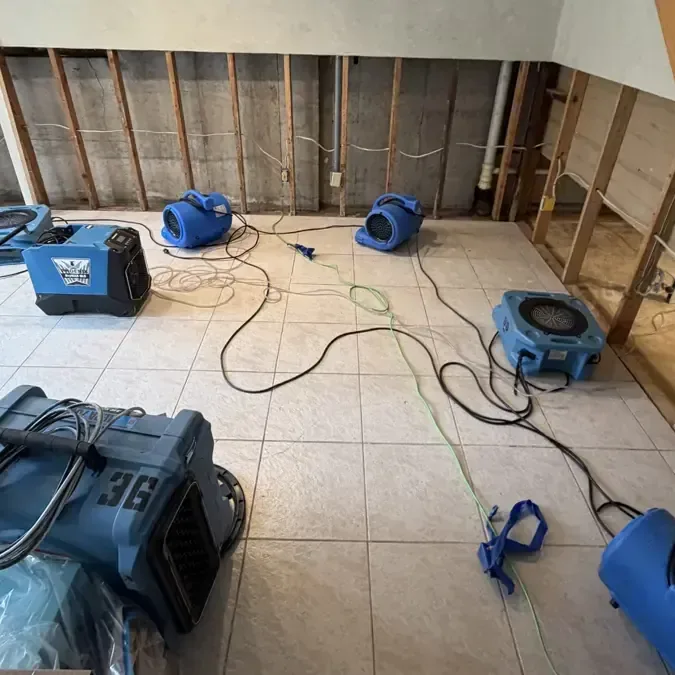
Wet flooring needs an explanation before replacement
- A leak below flooring can spread beneath more than one room. The assessor maps damp edges and checks adjoining walls before choosing an access point.
- A plumber tests the suspected supply or drain source. The mitigation crew plans water removal and drying around the repair so fresh water does not undo progress.
- Replacement flooring needs a dry substrate. The contractor checks the appropriate moisture criteria for the material and installation system before closing the work.
What does water damage restoration cost in Seffner, FL?
A contained water loss commonly falls around $1,000 to $3,000 for mitigation, while multi-room or contaminated losses can reach $3,000 to $10,000 or more. The water category, affected area, material class and delay before drying shape the scope.
A limited wet area with accessible finishes, prompt extraction and a short equipment plan generally needs less demolition and handling.
$1,000 to $3,000Water beneath cabinets, into wall cavities or across layered floors adds inspection, access, extraction and monitoring work.
$3,000 to $7,000Outdoor floodwater and sewage add controlled removal, cleaning, disposal and protection of unaffected areas before structural drying.
$7,000 to $10,000+These are planning ranges for mitigation. Repairs and replacement finishes have their own scope. The water damage cost calculator helps compare the drivers.
All water damage categories covered in Seffner, FL
Category 1: sanitary source
A fresh supply-water escape starts differently from a drain backup. The assessor still considers time, contact with dirty materials and the condition of the affected room.
Category 2: contaminated water
Used appliance discharge can carry contamination. The restoration plan accounts for what the water contains, the materials it touched and the access needed for cleaning.
Category 3: sewage and flooding
Sewage and outdoor floodwater require protective handling. The crew separates the affected area, removes contaminated porous material and cleans durable surfaces before the dry-out.
Explore sewage cleanup precautionsDocumentation for your insurance claim
The restoration contractor records the condition found, the work authorized and the measurements collected. A clear file helps the property owner explain the damage and distinguish mitigation from later repair work.
- Timestamped photos preserve the source area and wet finishes before removal.
- A moisture map identifies affected materials and dry comparison locations.
- Daily humidity and material readings show how the drying work progresses.
- A line-item scope records equipment, access, cleaning and material removal.
Check the policy for the source
A sudden indoor plumbing escape and rising outdoor water can fall under different coverage terms. The insurer makes the coverage decision under the actual policy.
The homeowner can ask about deductibles, documentation deadlines and flood coverage while the mitigation team addresses the immediate water problem.
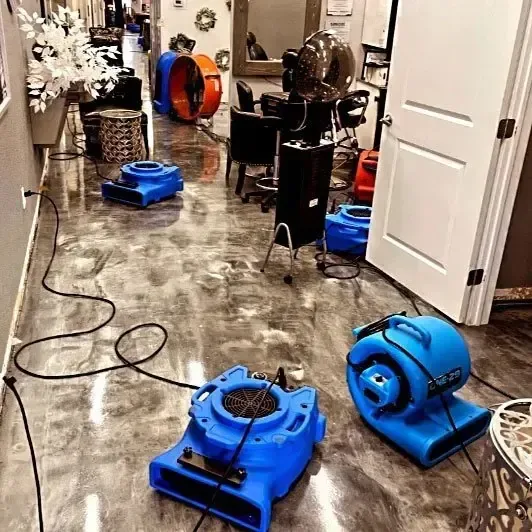
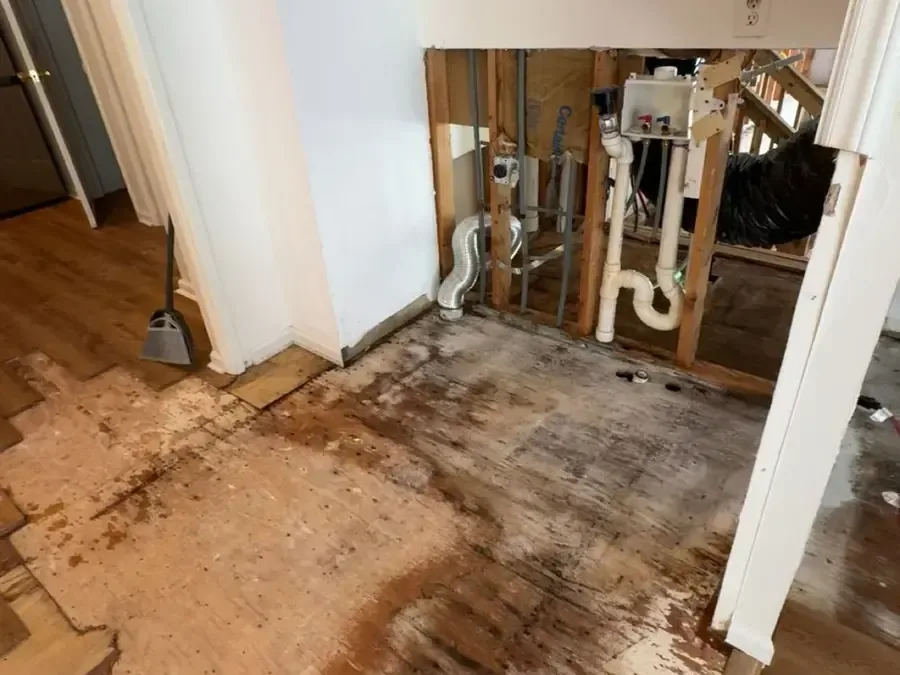
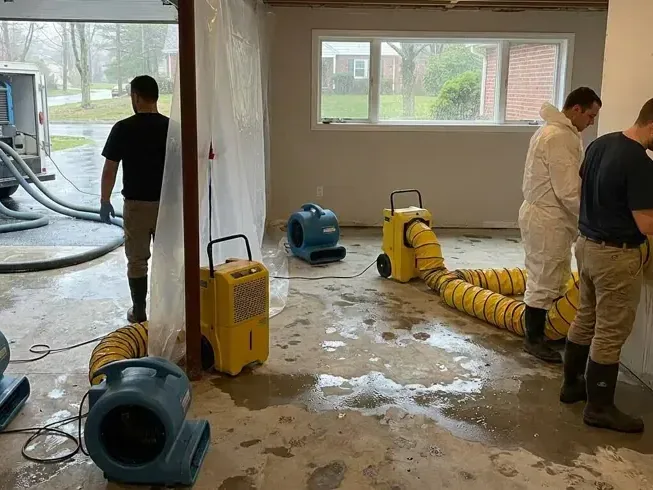
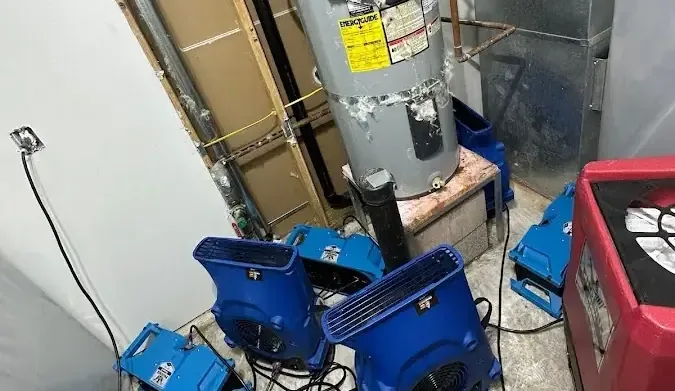
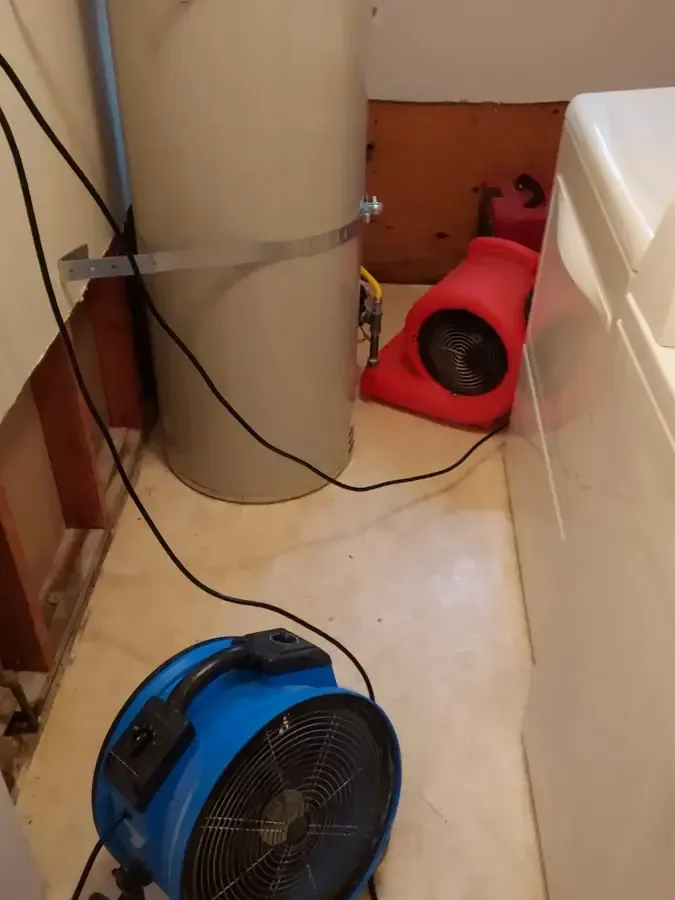
What a water damage dry-out looks like in Seffner
One call reaches Seffner water damage pros, 24/7
Restoration coverage includes ZIP codes 33583 and 33584, Lake Weeks, Lenna Avenue and the Dr. Martin Luther King Jr. Boulevard corridor. Nearby service areas include Brandon, Temple Terrace, Valrico, Plant City and Tampa.
- 33583
- 33584
- Lake Weeks
- Lenna Avenue
- Seffner-Mango Park
- Brandon
- Temple Terrace
- Valrico
- Plant City
- Tampa
Plan before you call
Nearby service areas
Water damage questions, explained
Seffner Water Heater Leaks Into Adjoining Rooms
Seffner water heater leaks can wet walls and floor edges beyond the tank. Learn how source repair, contents access and room measurements shape the cleanup.
Tracing Roof Water Above a Seffner Ceiling
Seffner ceiling stains can hide a longer roof water path. Learn how safe room access, attic observations and material checks connect roof repair with drying.
Storm Water Entry Near Lake Weeks in Seffner
Seffner rainwater cleanup starts with safe access, the entry route and wet materials. Learn how to document outdoor water and plan extraction near Lake Weeks.
Seffner water damage starts with the source
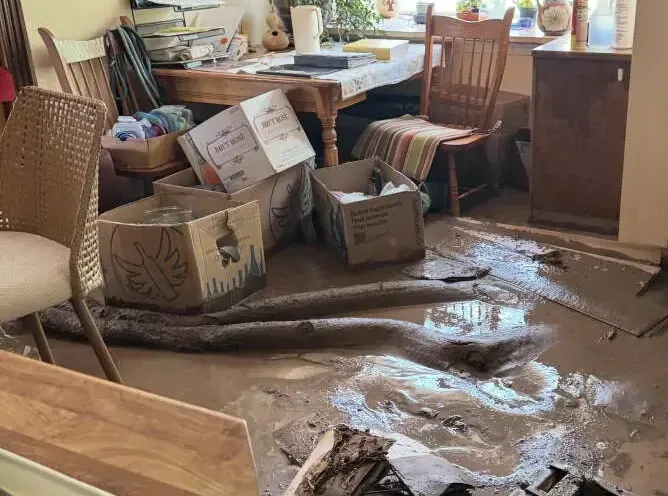
Lake Weeks sits on the southeast side of this unincorporated community. Hillsborough County identifies repeated rain, lakes and low-lying ground as important inland flood concerns; the assessor also checks everyday indoor leaks.
- Water near the threshold: A wet yard and a leaking pipe need different source-control steps. The crew establishes which route brought water indoors.
- Layered interior finishes: A room can look dry while wall bases and flooring retain moisture. Meter readings direct the next inspection.
- Growing residential areas: Subdivisions have expanded across the former rural landscape. The actual building assembly determines access and drying choices.
- Community corridors: Lenna Avenue and State Road 574 help describe a property's location. Safe access and the wet-room layout shape the response.
Water damage restoration questions in Seffner
What matters most before a crew arrives?
Keep people away from electrical hazards, sewage and sagging ceilings. Close a safe, reachable shutoff for an indoor leak. The response team needs the source, affected rooms and access conditions before discussing cleanup.
Can the floor be wet underneath while the top feels dry?
Yes. Water can move beneath a finish or into the wall base. The assessor checks material moisture and adjoining rooms so a dry-looking surface does not end the investigation too soon.
What does the IICRC S500 standard contribute?
The standard provides a framework for water-damage assessment, classification, drying and documentation. The crew uses the source and material conditions to select equipment and tracks progress against an appropriate drying goal.
How long does equipment need to stay?
The drying team follows the readings rather than a fixed pickup date. A small clean-water loss often dries faster than dense flooring or concealed cavities. Ongoing leakage must stop before the building can recover.
Does outdoor floodwater change the cleanup?
Yes. Outdoor water can carry contaminants into the building. The crew uses controlled access, protective equipment and removal of affected porous materials instead of simply blowing air across the flooded area.
When does wet drywall need removal?
The contractor considers contamination, lost strength and access to the cavity. Swollen, damaged or contaminated drywall may need removal, while suitable clean-water materials can sometimes dry under a monitored plan.
Does a policy cover every water source?
Coverage depends on the policy and the cause. A sudden plumbing failure differs from rising outdoor water. The owner can ask the insurer about the loss while preserving photos and the mitigation record.
What should a tenant do about a leak?
The tenant should notify the owner or property manager and avoid unsafe rooms. The responsible parties can coordinate access and authorization while the restoration team documents affected finishes and contents separately.
Why request a written mitigation scope?
The scope identifies affected areas, planned removal, equipment and monitoring. It helps the owner understand what the contractor is addressing and what later repair work needs a separate decision.
Wet floors or walls? Start with the source.
The response team helps households describe the damage and arrange the next assessment. Water removal, careful access and measured drying keep recovery focused on the materials that actually need attention.
(888) 621-2041Discuss the water pathSeffner Water Damage Restoration
Seffner, FL · ZIP 33584 and 33583
Dispatch open every hour, every day of the year
Find us on Google